Impact of social interventions
Lessons learned from front-runners

We all have things that we feel could be improved in a place. Perhaps there is a neighbourhood cut in two by a busy car-filled street; maybe a local play park does not suit the needs of local children; what if the city council has no policy for promoting local organisations and events? Sometimes in order to see a change in a city, we need to make that change for ourselves. Your challenge is to instigate an intervention, which will bring about the change you feel the place needs.
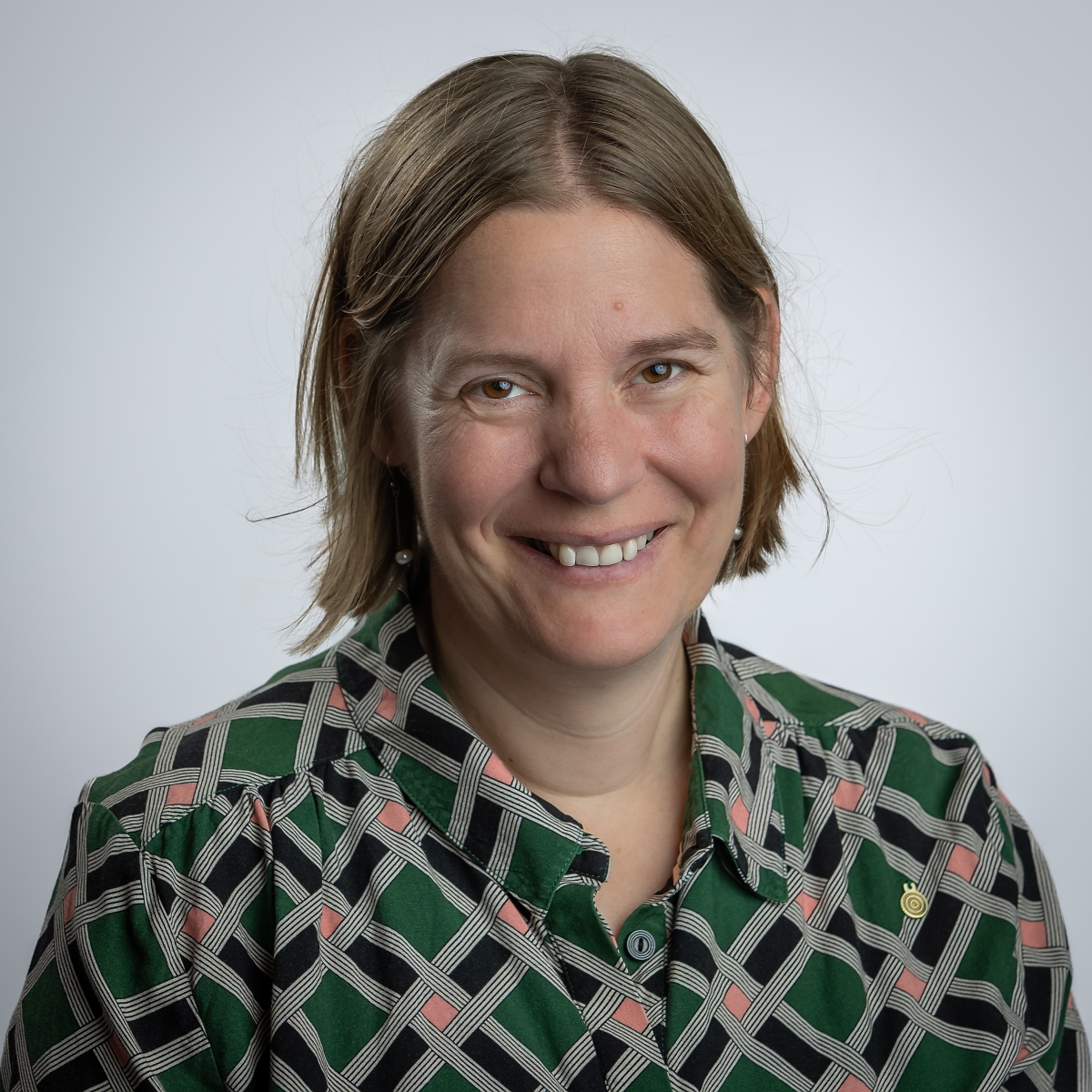

Kristel Zegers and Simon de Wijs are involved in the design and teaching of the Urban Life and Placemaking programme at Breda University of Applied Sciences.
This quote is the first paragraph of the study guide for the Social Intervention Project, a challenge for third-year Urban Life and Placemaking students. During their semester abroad they live in various European cities and attend online classes that support them in their local projects. For the Social Intervention Project students choose an issue, map it, and connect with stakeholders to design and execute a social intervention. This academic year (2024-2025) students have focused on oil pollution (Stavanger), neighbourhood community (Turin), use of and relationship with the river (Bilbao), and overtourism, shifting to international communities supporting residents after storm DANA and the ensuing floods (Valencia). Previously, students' focus included safety for women in nightlife (Turin), car use in school districts (Porto), promoting the sharing economy and reducing street waste (Leipzig).
Mapping the chosen issue aims to deeply understand it, the stakeholders involved, and previous actions taken to tackle the issue. This research and mapping part culminates in an international conference, held both online and on the BUas campus in Breda. The conference is an explicit part of the learning process of students since they present the mapping of their issues, receive feedback, and enhance their knowledge and network through workshops, panel discussions, and keynotes. This year’s conference theme was the impact of social interventions.
In this article we share the lessons learned from the panel discussion of the conference, discussing how social interventions can be impactful. Jesse Jop Jorg, Amanda Sperger, and Matthijs van Muijen reflect on how they were able to make an impact with their initiatives and interventions.
Benches collective
Jesse, founder of We the City, a creative agency for urban change, initiated several projects including a rooftop festival, and Pop-Up Parking Service. The impactful project he highlighted is Benches Collective, which encourages using pavements as shared living rooms, creating the world's largest open-air cafe. Participants share their benches, invite neighbours, and serve coffee, thus fostering community connections. Since the start, this initiative has seen 8,000 benches in 24 countries, with 1,800 in 2024 alone. On average, participants meet 15 people on a bench. About 70% of the participants got to know their neighbours, and 60% stayed in touch. Originally focused on one Amsterdam neighbourhood, the project went viral, influencing communities globally, even as far as South Korea. The simple, easily scalable concept effectively strengthens neighbourhood bonds.
Schwimmverein Donaukanal
Amanda introduces the Schwimmverein Donaukanal, a project to revive urban swimming in Vienna's Danube Canal, a former transport canal. The Danube, Vienna's main river, is popular for water activities but is 30 minutes from the city. The Danube Canal, once neglected, now has cafes and bars but remains underutilised. Swimming in the canal was common until the World Wars and pollution halted the tradition. In 2020, four students from the University of Applied Arts in Vienna discovered it was legal to swim in the canal and formed the Schwimmverein Donaukanal association. They gained media attention, hosted events, and engaged with experts. Now with 300 members, the association organises regular swims and community activities, collaborates with urban gardens for infrastructure, and advocates for official recognition and support. Their goal is to make urban swimming a convenient and enjoyable part of city life.
We found out it is legal to swim, called ourselves Schwimmverein Donaukanal, and just started to do
Placemaking in The Hague
Matthijs works for The Hague's housing department, focusing on impactful projects like improving inner gardens with housing corporations and utilising vacant estates for social projects, sports, and homework spaces. One of his ambitious targets is eliminating homelessness in The Hague by 2030. A specific project is located in The Hague Southwest, within a housing complex owned by Haagwonen. This project faces several challenges, including adding more housing, creating attractive public spaces, and fostering social interactions among residents. To meet community needs, Matthijs is involved in activities around culture and expositions, creating green areas and play spaces, and addressing homelessness by adding more housing. He emphasises the importance of starting with small projects and gradually expanding them, while communicating possibilities and giving space for citizen initiatives. His efforts aim to create a more inclusive and vibrant community in The Hague.

Creating impact
Reflecting on their initiative's impact, Jesse and Amanda highlight the power of their story. Media coverage expanded their projects, emphasising social cohesion and reclaiming public space. Jesse notes that "The Bench Collective went viral.” This attention increased involvement, showing that local initiatives can inspire global participation. Jesse stresses the importance of a clear story, a good website, and engaging images to facilitate participation. Their message is clear: it is not just about a bench or swimming, but about connecting with neighbours or citizens and reclaiming public spaces. Media attention supported a growth in the number of people wanting to be involved in the initiative, demonstrating the potential of local projects to have a broader impact.
Amanda reflected on how a small swimming initiative organically grew into a large cultural association by giving community members freedom to contribute to the initiative. She emphasised taking a step-by-step approach and trust the community to take responsibility for executing their own ideas. Members came up with ideas like adding food and offering ice swimming. This led to a shift in role for the four initiators: from being the organiser of the initiative to the facilitator providing support to every idea that made sense.
Starting small and giving room to other ideas is also one of the lessons learned by Matthijs who is engaged in larger placemaking projects. The redevelopment of a neighbourhood and the construction of new houses is impactful for residents. How to tap into the energy that is present in the neighbourhood? Matthijs stresses building connections and giving space to citizen initiatives. "Start with a little project, communicate about the possibilities you offer, and give the initiatives time to grow. As a government we need to see how we can support it.” Matthijs therefore brings together colleagues from different departments, and invites them to step out of the town hall, to interact with local communities, understand the needs, and implement ideas in the design. "In the end, it is a mix of giving opportunities and having our own ideas about what can be successful in this place.”
Visit the website, share your bench, invite the neighbours, use the pavement as a shared space, and serve coffee.
Experts reflect differently on the role of the government within their placemaking initiatives. While Jesse experienced an original ‘no’ as an answer from the local government as to whether an open-air café would be allowed, he managed to find a way around agreeing that complaints would directly be sent to him. Matthijs, knowing the ins and outs of local government well, advises developing the skill to translate the demands and the wishes of people in the right way with the right frame. "There is always enough money at the town hall to make it a success,” is his conviction.
Be humble, be curious
At the end of the panel discussion, panellists were asked for some crucial tips and lessons for students and other placemakers to use in follow-up steps of their interventions.
- Gather information and go where the energy is:
Understand the existing energy and ideas in the location. There is already a past in any location. There are already people with ideas and energy. Try to soak up that information first. - Community involvement:
Make the project valuable for the people involved, rather than imposing ideas on them. Public spaces should reflect the needs and desires of the community, and continuous engagement is key to achieving this. Projects should thus be collaborative efforts. - Effective framing:
Presenting ideas in the right way (with the right words) can help secure funding and support.
Thus, when you aim for impactful social interventions, be humble, have a sincere interest and curiosity, be smart with framing, and do it together!
Dit artikel is eerder verschenen in Uncover, een uitgave van het domein Leisure & Events van de Breda University of Applied Sciences. Nieuwsgierig naar de andere artikelen uit Uncover? Stuur dan een mailtje naar ton@nrit.nl